
How Long Does It Take to Get a Building Permit in the Township of Langley?
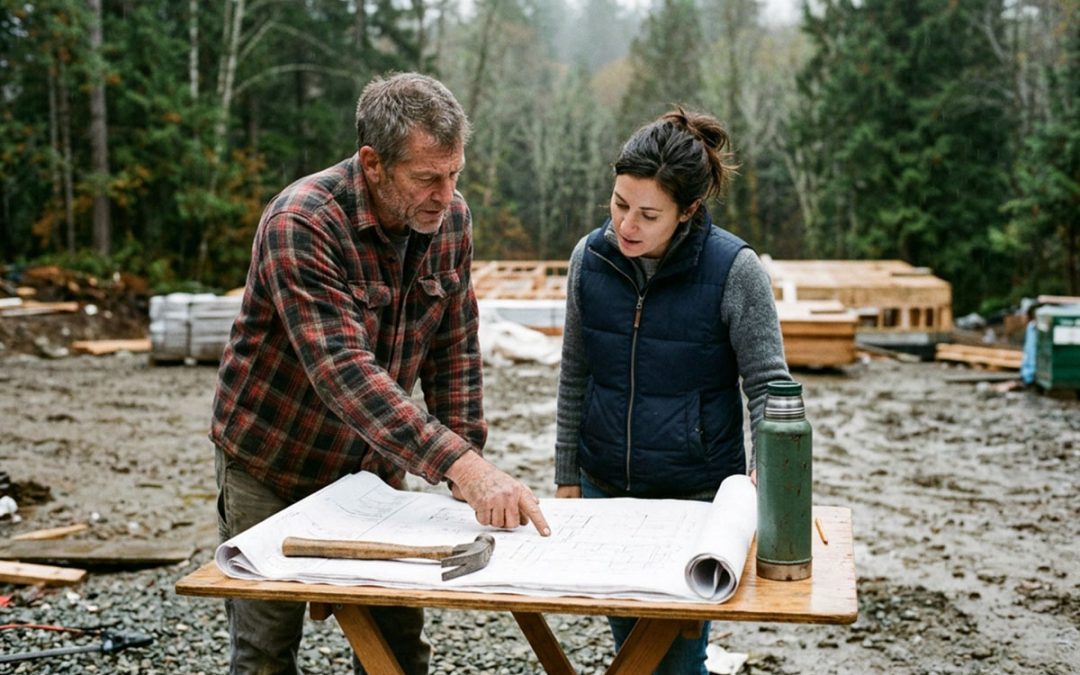
Reviewing Permit Drawings On Site
Key Points
- Following recent process changes, the Township of Langley now reviews smaller, straightforward permits in about two weeks on average
- The Tenant Improvement X-Press service targets a 10 business day review, but that program is built for commercial fit-ups, not new custom homes
- Building in the Agricultural Land Reserve can add two to three months before a building permit review even begins, since the Agricultural Land Commission’s own timeline sits outside the Township’s review clock
- Fort Langley and Murrayville are the Township’s two designated heritage conservation areas, where a Heritage Alteration Permit is typically needed before a building permit is issued
- Township of Langley and City of Langley are separate local governments with their own permit offices, forms and fee schedules, and applying to the wrong one is a common first mistake
If you’re planning a custom home or a major renovation, the real question behind every Township of Langley building permit search is how long you’ll actually wait before you can break ground. A simple project might clear review in a couple of weeks. A custom home on acreage, near a creek, or inside a heritage area can take months before a shovel goes in the ground.
That range frustrates people who want a date to plan around, and we get it. Families come to us mid-design, having already picked finishes and furniture, assuming the permit is a formality. It rarely is for a full custom build, because plan review, zoning confirmation, and sometimes a development permit all have to line up first.
This guide walks through what actually drives Township of Langley permit timelines: the difference between a straightforward renovation and a new build, what the ALR and heritage designations add, what a complete application needs, and how to keep yours from stalling in review. If you’re still comparing builders or trying to understand what the whole process looks like before you commit, finding the right builder is worth reading first.
None of this is meant to scare you off building. It’s meant to help you plan a realistic schedule so the permit stage doesn’t blindside you.
How Long Does a Building Permit Take in the Township of Langley?
For smaller, straightforward permits, the Township’s recent process improvements mean smaller permit types now average around two weeks of turnaround. That’s a meaningful change from where things stood a few years back, and it’s good news if you’re doing something like a deck, a small accessory structure or a straightforward alteration.
Commercial tenants have their own fast lane too. The Tenant Improvement X-Press service aims for a 10 business day review for eligible commercial fit-ups. That program exists for commercial tenants, not new custom homes or major residential renovations, so don’t expect that timeline to apply to your build.
A custom home or a large-scale renovation is a different animal. These applications trigger a full plan review against the BC Building Code, a zoning check against your lot’s specific bylaw, and sometimes a development permit before the building permit application is even accepted. Each of those adds its own review period, and they don’t always run in parallel.
The real range depends on your lot. A standard residential lot with no overlays might move through in weeks once the application is accepted. A lot in the Agricultural Land Reserve, inside a heritage conservation area, or one that needs new servicing can add months before you’re even cleared to apply. If you’re trying to budget both time and money for a project like this, how much a custom home costs is a good companion read.
The single biggest lever you have as a homeowner is submitting a complete, well-prepared building permit application the first time. Incomplete packages get sent back, and every round trip resets part of the clock. Langley permit wait times shift as staffing and application volume change, so always confirm current turnaround figures directly with the Township before you lock in a schedule.
Township of Langley Versus City of Langley Permits
The Township of Langley and the City of Langley are two separate local governments, and mixing them up is the most common first mistake homeowners make when they search generically for a building permit in Langley.
The first difference is where each jurisdiction’s boundary actually sits:
| City of Langley | Township of Langley | |
|---|---|---|
| Area covered | A small, compact urban centre | Wraps around the City and includes Fort Langley, Walnut Grove, Murrayville and rural acreages |
| Permit office | Its own separate building department | Its own separate building department |
| Forms and fees | Distinct forms and fee schedule | Distinct forms and fee schedule |
| Overlays to check | Mostly urban zoning | Zoning plus ALR, heritage and Development Permit Areas depending on the lot |
Zoning bylaws, development permit areas and even inspection scheduling differ between the two municipalities. Before you submit anything, confirm which jurisdiction your lot actually falls under. Addresses near the boundary cause real confusion, and an application sent to the wrong office wastes time you don’t get back.
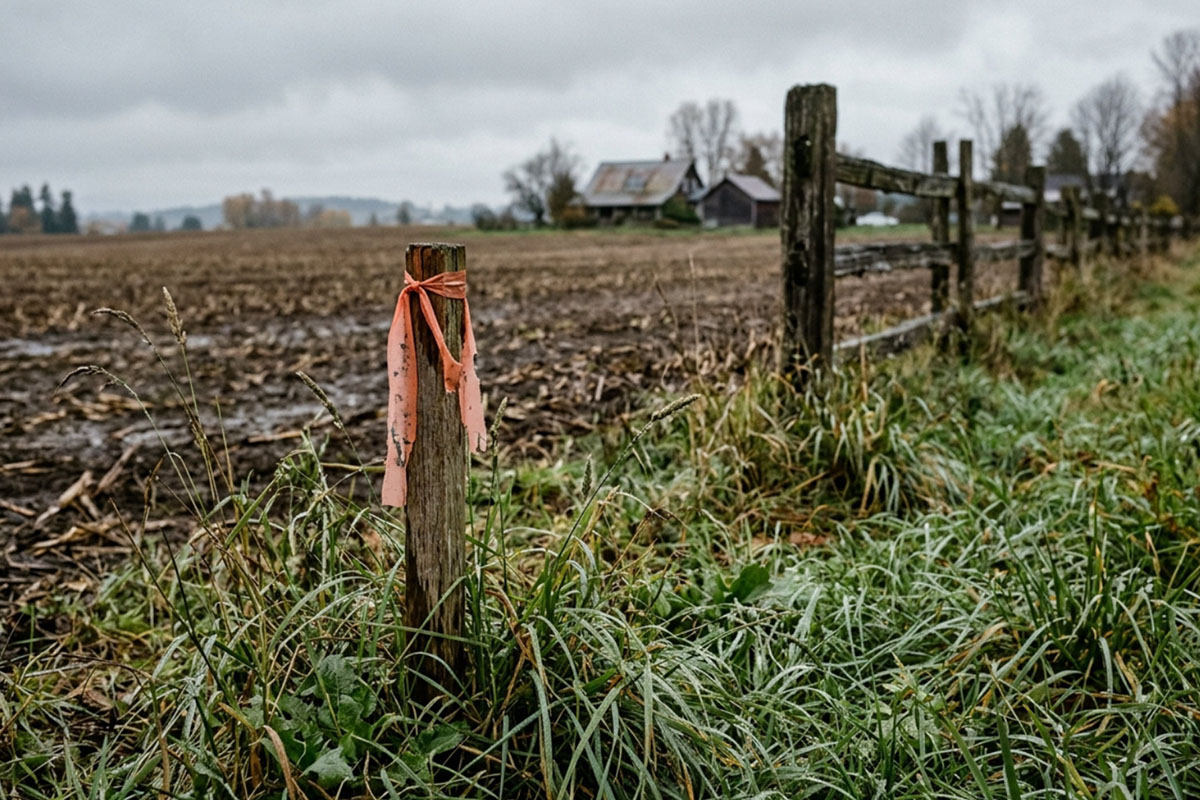
Property Boundary Near Farmland
What Triggers a Development Permit Before You Can Apply?
A Development Permit is triggered when your lot falls inside a Development Permit Area, and it has to be sorted out before a building permit application is even accepted. These areas cover things like watercourse setbacks, hillside or steep slope sites, and certain commercial or multi-family zones.
A DP application goes through its own review, and depending on the designation, it can include a public notification period before anyone even looks at your building permit paperwork. That’s a separate clock running before the one most people think about.
Not every residential lot needs this step. Standard infill lots in established, fully serviced neighbourhoods often skip it entirely. Acreages and sites near creeks or ravines are more likely to require one, and homeowners are often surprised to learn this only after their architect has already finished drawings.
Ask the Township’s planning department early, before you finalize anything, whether your specific lot sits inside a Development Permit Area. Finding out at that stage, rather than after drawings are done, can save you weeks or months of rework down the line.
Building in the Agricultural Land Reserve
A lot sitting inside the Agricultural Land Reserve adds a layer of review that has nothing to do with the Township at all. Certain types of construction on ALR land, particularly secondary residences, larger farm homes and some accessory buildings, need sign-off from the Agricultural Land Commission before that work can proceed.
The ALC isn’t fast, and it isn’t meant to be. The ALC strives to communicate most decisions within 60 business days and the majority within 90 business days of receiving a complete application, and that clock doesn’t include any time the Township spends on its own local review afterward. Those two review periods stack rather than overlap.
The Agricultural Land Commission review comes first, then the Township’s own review begins:
| Review stage | Typical length |
|---|---|
| Agricultural Land Commission review | Most decisions within 60 business days, the majority within 90 |
| Township building permit review | Starts after the ALC decision, on its own separate timeline |
In practical terms, that means an ALR build can realistically add extra months before the building permit process even begins. If you’re weighing whether an ALR property is worth the extra planning time, it helps to understand reasons a custom home may be the better route versus buying something already built on serviced land.
Farm homes, secondary residences and accessory buildings on ALR land often carry their own siting and size rules on top of the ALC approval itself. Some of these are specific to lot size or farm use classification. Confirm them with the Township before your architect draws a single line, so you can avoid asking the question too late.
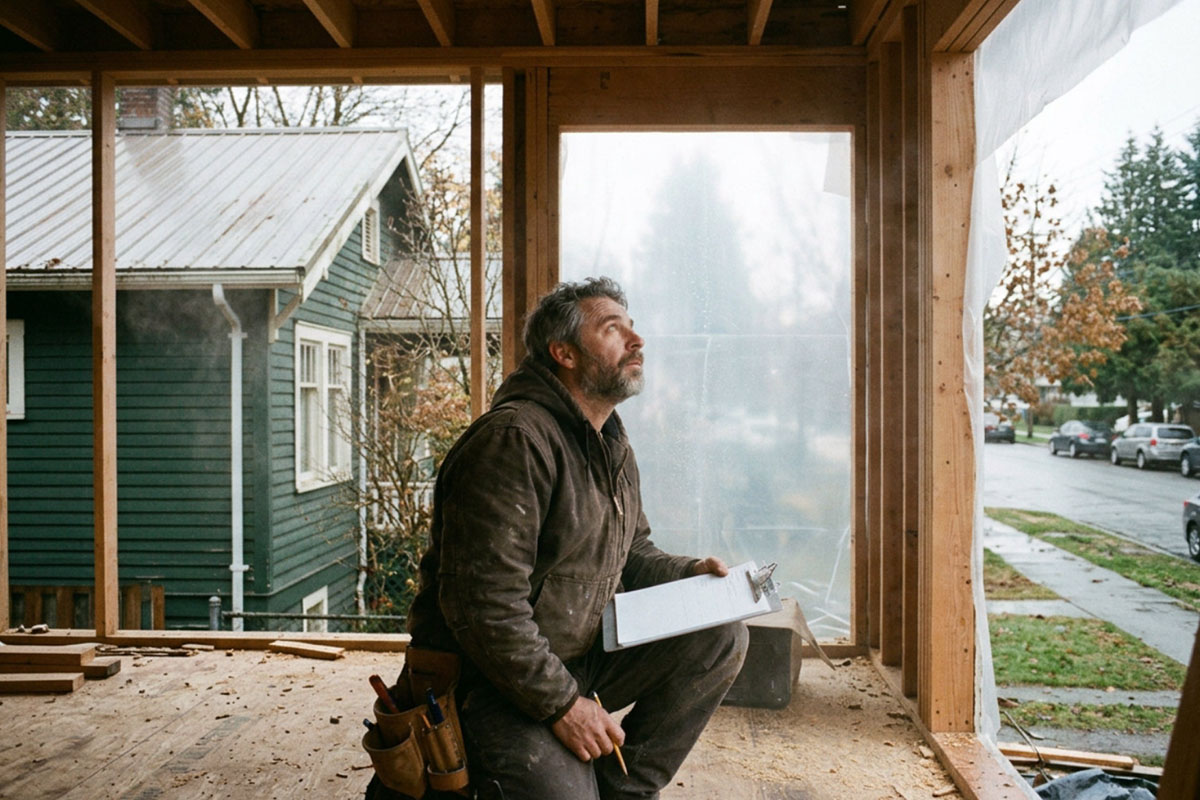
Checking Plans Against Framing
Heritage Properties and Fort Langley
Building or renovating in a designated heritage conservation area adds a permit step most homeowners don’t expect until they’re already mid-design. The Township currently has two designated heritage conservation areas, in Fort Langley and Murrayville, and altering, demolishing or constructing a building in either one typically requires a Heritage Alteration Permit.
Fort Langley’s designation isn’t recent or informal. Fort Langley’s Heritage Conservation Area was designated under the Local Government Act in 1997, and its character guidelines live inside the Fort Langley Community Plan rather than the general zoning bylaw. Reviewers measure your proposal against that plan specifically.
The Heritage Alteration Permit is reviewed on its own track, separately from the building permit. You can’t treat the two as one combined application.
If you’re renovating or rebuilding on a heritage lot, budget extra weeks for design review against the community plan’s character guidelines, on top of the standard building permit timeline. Exterior changes tend to draw the closest scrutiny, so get a sense of what the guidelines expect before you commit to a design direction you’ll have to revise later.
What Does a Complete Building Permit Application Need?
A complete application is the thing that actually controls your timeline, more than any posted turnaround figure. The Township reviews what’s in front of it, and a package missing even one piece gets sent back rather than approved with conditions.
A typical custom home or major renovation application needs:
- A completed building permit application form and checklist matching your specific project type
- A site plan and scaled drawings showing setbacks, grading and drainage across the lot
- Structural and mechanical details, plus any engineering letters your project’s scope requires
- Proof that your builder is a licensed registered builder under the Homeowner Protection Act where that applies, along with current home warranty information
- Supporting documents for any plumbing or restoration work running alongside the building permit itself
Each of these items exists because reviewers need to confirm something specific: structural safety, drainage, builder licensing, warranty coverage. Leaving one out doesn’t just slow your file down, the file is sent back for the missing items. Gathering everything before you submit, rather than scrambling to answer questions after, is what keeps a file moving on the first pass.
Common Mistake: Submitting a site plan without finished grading and drainage details is a common reason files get returned. Confirm those details are locked before you file, not after.
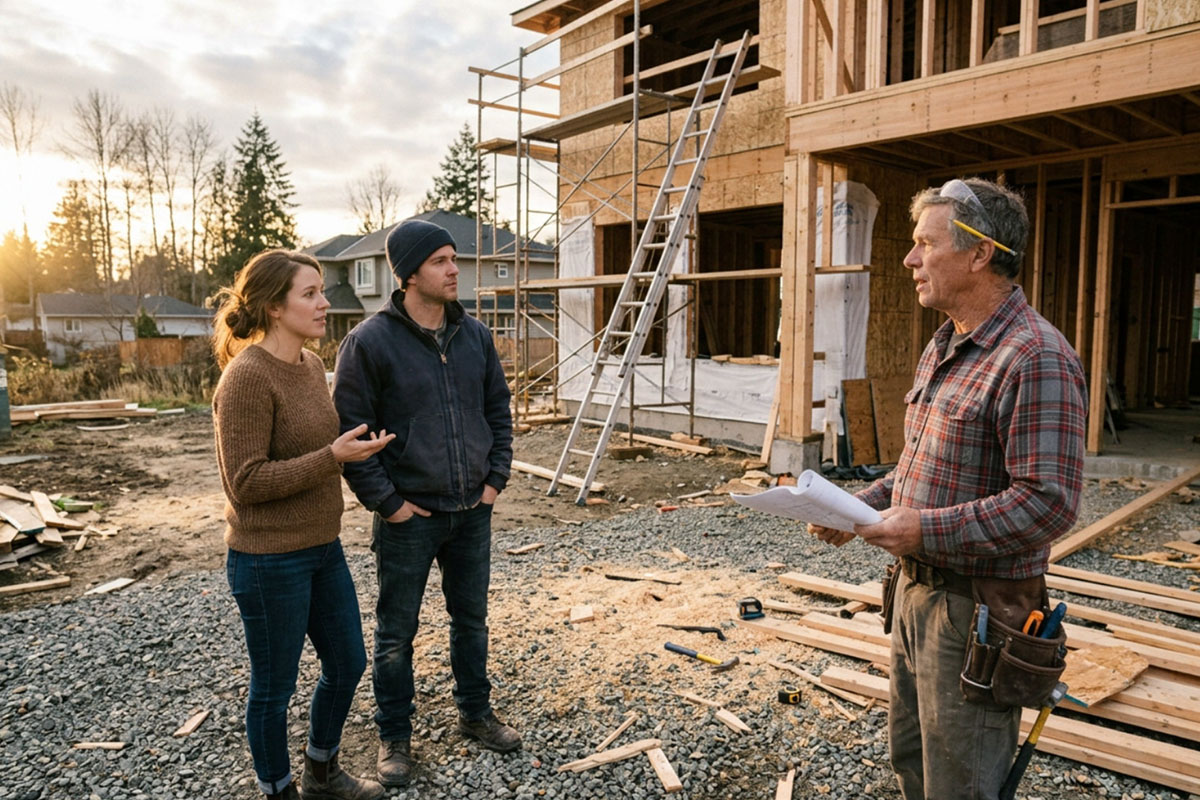
Builder And Family On Site
Applying Online Through eApply and MyTownship
The Township accepts select building permit applications through its online eApply portal, where select building permit applications can now be submitted online. You create an account, upload your documents and track the file’s status from wherever you are, which matters if you’re juggling an architect, an engineer and a builder across different schedules.
Uploading a complete package the first time is what actually saves you weeks. Every time a reviewer has to send a file back for a missing drawing or an unsigned form, your spot in the queue doesn’t hold. You resubmit, and the clock on that piece restarts rather than resuming where it left off.
Before you submit, it’s worth checking how similar projects in your area actually moved through the system. The Township’s Building Permit Activity Information is updated daily and lists permits issued since January 1, 2011, so you can search by address or permit type and get a realistic sense of what a comparable project looked like on paper.
If your project is complex, a pre-permit application meeting may be required for multi-family projects, as the linked checklist states. Book that meeting as soon as you know your project qualifies. Waiting until a submission gets rejected for lacking one just adds another round trip you didn’t need.
What Happens If You Build Without a Permit?
Building without a permit means the unpermitted work is never inspected.
It also follows the property long after construction wraps up. A mismatch between permit records and what’s actually built can raise questions at the worst possible time, mid-sale.
If you’re weighing renovations versus a new home build, permit history is one more reason the decision deserves real thought rather than a shortcut.
Working through the Township of Langley permit process up front protects the build itself and the home’s value down the road.
How to Keep Your Application Moving
Most of what slows a Township of Langley application down is avoidable, and it usually comes down to sequencing. A few habits make a real difference once your file is in the queue.
Confirm zoning, ALR status and any Development Permit Area designation before your architect finalizes drawings, not after, since redesigning around a designation you discover late costs far more time than asking first.
Submit every required document in the first pass. Reviewers won’t approve a file with conditions attached; they send it back, and that resets part of your timeline.
Book a Pre-Permit Application Meeting early for anything complex, rather than waiting to be told you need one once a submission bounces.
Work with a builder who has already coordinated plan sets, engineering letters and trade documentation on similar projects. A familiar, organized package moves through review faster than one assembled piece by piece under pressure.
None of this guarantees a specific turnaround, because the Township reviews what’s actually in front of it. It’s part of what we mean by the Wescraft difference: coordinating these pieces before they become a problem, not after.
Planning Your Build Around the Township’s Permit Timeline
A straightforward renovation on a standard lot can clear review in a couple of weeks. Other lots can take a good deal longer before a permit is even issued. Knowing which category your project falls into before you finalize drawings is the difference between a realistic schedule and a frustrating one.
If your lot carries any of these overlays, build the extra review time into your plan from the start rather than treating it as a delay once it shows up. Families who do this arrive at their building permit appointment with a complete package and a clear sense of what’s ahead, instead of discovering a Development Permit Area requirement halfway through design.
However straightforward or complicated your lot turns out to be, having a builder who has coordinated these applications before makes the process far less stressful.
If you’re planning a custom home or major renovation in the Township of Langley and want a realistic sense of your timeline before you commit to anything, contact our team and we’ll walk through what your specific lot needs.
Frequently asked questions
How much does a Township of Langley building permit cost?
There’s no single flat fee. The Township sets its fee based on your project type, size and scope. Check the current fee schedule on the Township’s site for your specific project, since renovation, new build and accessory structure fees are calculated differently.
Do I need a separate plumbing permit in the Township of Langley?
Yes, plumbing work typically requires its own permit application alongside the building permit, with its own supporting documents like fixture plans.
Can I build an accessory structure without a full building permit?
Most accessory structures still need a building permit. Confirm size thresholds and setback rules with the Township before you build, since some structures are exempt and others aren’t.
How do I find out if my lot is in a Development Permit Area?
Only the Township’s planning department can confirm that, so contact them directly with your address and ask specifically whether a Development Permit Area designation applies. Do this before you finalize architectural drawings, since finding out afterward can mean costly redesigns.
Does a heritage designation always mean a longer permit process?
Not always, but altering or rebuilding in Fort Langley or Murrayville’s heritage conservation areas typically requires a separate Heritage Alteration Permit reviewed before the building permit. Plan for extra weeks of design review against the relevant community plan’s character guidelines.